Moving to New Zealand with a child who needs support? A checklist drawn from a tribunal case
Visa guide · 2026-08-21 · 4 min read
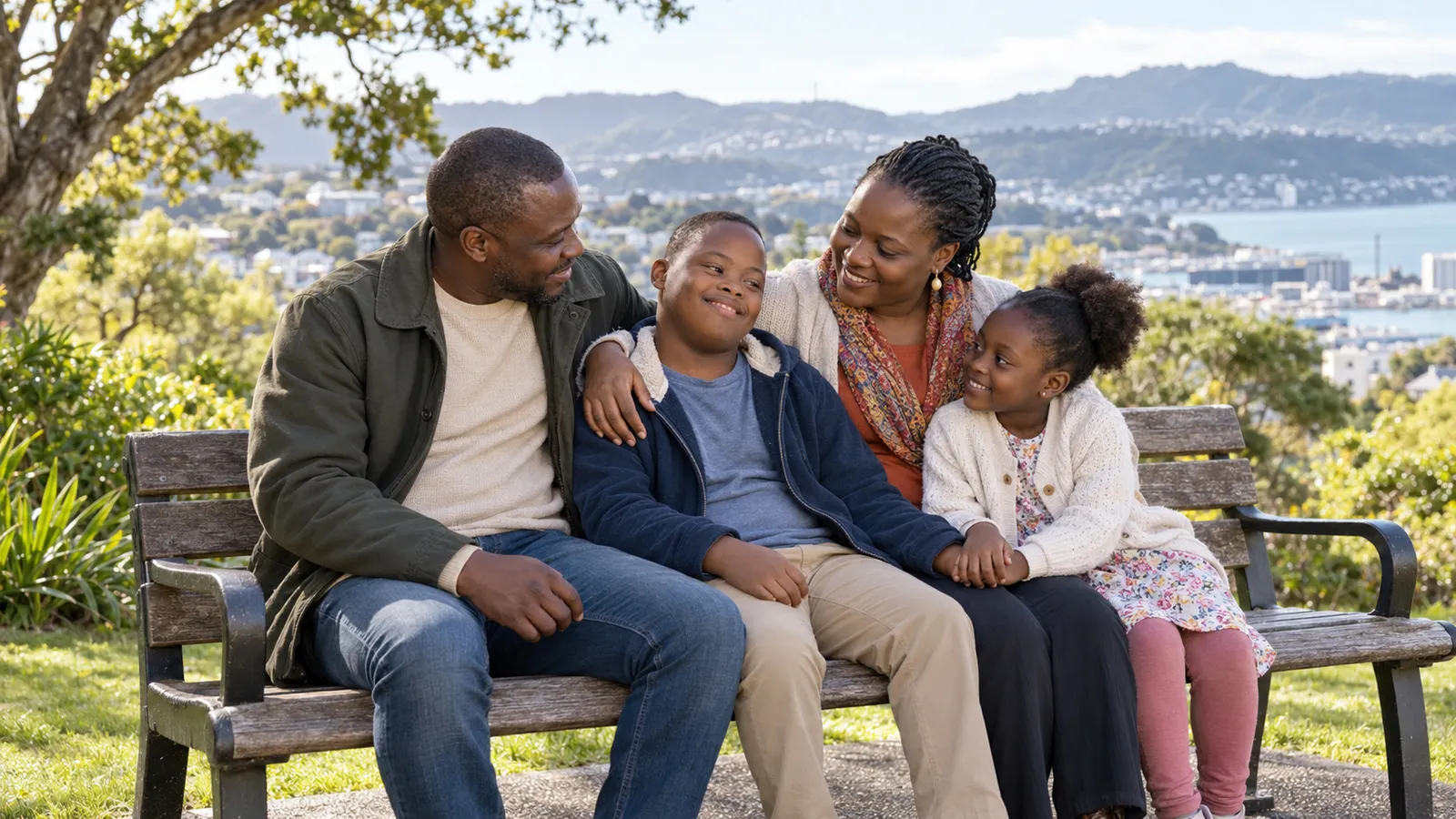
Families in Kampala or Entebbe who plan to move to New Zealand are usually focused on the job offer and the visa type. A tribunal case about an 11-year-old boy with Down syndrome is a reminder to look at one more thing: how the health requirement treats a child who may need support at school. This guide turns the case into a checklist you can use.
The case in a few lines
The boy's family had come from Sri Lanka. Immigration New Zealand decided he did not meet the standard health requirements and did not qualify for an exception. A paediatrician had confirmed he has no heart condition, a problem seen in roughly four in ten cases of Down syndrome, and that he eats and toilets by himself. What counted against him was the likely need for Ongoing Resourcing Scheme (ORS) support at school, treated as a probable cost to the public education system.
The Immigration and Protection Tribunal agreed the rules had been applied correctly, but urged the immigration minister to grant a residence-class visa as a one-off exception. It cited the family's well-documented experience of discrimination and the risk of splitting the family: the father needs to keep working in New Zealand, and the rest of the family, including a younger sister, already hold permanent residence.
A checklist for your own family
- Ask early who will be assessed. Health requirements may apply to every family member included in an application.
- Get specialist letters. A clear letter from a paediatrician or other specialist describing day-to-day functioning was part of the evidence here.
- Think about school support. The cost question is where many disability-related cases stall, so ask an adviser how it could apply to your child.
- Write down relevant history. A detailed, specific account of discrimination was central to the tribunal's thinking.
- Prepare for a discretionary process. Waivers are decided case by case. They are not automatic.
- Take advice from the right person. In New Zealand, that means a licensed immigration adviser or someone lawfully exempt, such as a lawyer. Confirm fees first.
Why this case drew public sympathy
The case drew attention because it sits where two policy areas rarely meet: disability rights and immigration health screening. The health test exists to manage pressure on public services, and on paper that is a defensible goal. But a blanket cost-based test can produce outcomes that feel out of proportion, especially when a family has already built a life, a support network and community ties in New Zealand. For families planning from Uganda, the practical message is to find out early how that test could apply to your own circumstances.
What not to assume
Do not assume that meeting the clinical facts means meeting the test. Do not assume a tribunal's view settles the matter, because only the minister can grant the exception. And do not assume that a Ugandan school record or medical letter will be read the way a local one would; use clear, complete documents, and certified copies if they are requested.
If one parent plans to work first and the family follows, have a polished CV ready early. Build AI CV offers a simple way to prepare one.
Common mistakes that families make
- Concentrating only on the main applicant's qualifications.
- Delaying medical appointments until a deadline looms.
- Treating a rejection as the end without asking about exceptions.
- Using unlicensed helpers who make promises about outcomes.
More reading from us: our explainer on what New Zealand's immigration overhaul means for you, the look at the skilled migrant reset and the guide to staying on after a master's degree.
Frequently asked questions
Why does a school-support cost affect a visa?
Because the health test is designed to manage pressure on public services, and a probable cost to the public education system was the sticking point in this case.
Did the family lose?
The tribunal agreed with Immigration New Zealand on the rules but asked the minister to grant a one-off exception. The final call rests with the minister.
Does being rejected by the health test mean no other option?
Not necessarily. Ministerial exceptions exist, although a tribunal recommendation does not settle the result.
How can we strengthen our own case?
Gather specialist medical letters, keep detailed records relevant to your circumstances and take licensed advice before applying.
Key takeaways
- The health requirement can affect family members, not only the main applicant.
- In this case the likely need for Ongoing Resourcing Scheme support was the problem, not daily functioning.
- The tribunal agreed the rules were applied correctly yet asked for a one-off exception.
- Prepare medical evidence and records early.
- Use a licensed immigration adviser or lawfully exempt person and agree fees.
#new zealand #family migration #health checks #immigration tribunal #uganda
 When a residence route stops working and then reopens: New Zealand's skilled migrant reset, seen from Uganda
 Studying a master's in New Zealand? One year less to wait, but a job still decides it for Ugandans
 Building a business in New Zealand from Kampala? Why the visa is only the opening move