Five numbers from Australia's population report every Ugandan applicant should understand
News · 2026-09-28 · 4 min read

Reports about Australia's population can be dry, yet the latest Intergenerational Report contains figures that help anyone in Kampala or Entebbe judge how seriously to take a move. The core message: the country's future growth depends heavily on people who choose to move there. Here are five numbers, and what each really tells you.
Number one: 1.34
That is the projected fertility rate, in births per woman, by 2065-66. One report ago the assumption was 1.62, so the picture has become tighter. By the 2060s deaths are expected to outnumber births for the first time. The lesson: without arrivals, Australia's population would stop growing.
Number two: 235,000
The report assumes net overseas migration will average 235,000 people a year over the long term, and it expects the population to reach 39.3 million by 2065-66. The report describes this as "demographic resilience", compared with Germany, Italy and South Korea, where deaths already exceed births. Treat 235,000 as an assumption, not a promise. Some parties have said they would pursue much lower migration if elected, and settings move with governments and budgets.
Number three: 26 against 38
The median age of a recent migrant is around 26, compared with 38 for people already living there. That younger profile helps explain why the working-age population, ages 15 to 64, is projected to keep growing while peers shrink. The report still expects the overall median age to climb from 38.6 to 45 by 2062-63, with the number of Australians aged 65 and over nearly doubling and those aged 85 and over nearly tripling.
Number four: 2050
This is Australia's net zero target date. The country hopes to become a "renewable energy superpower" through critical minerals, green hydrogen and green metals, which calls for engineers, technicians, trades and project specialists. If you hold a Directorate of Industrial Training (DIT) certificate or a diploma in engineering, that is the direction of travel to watch. A local certificate is not automatically an Australian qualification, so ask how yours would be assessed. You can start with RPLDirect to learn how recognition of prior learning works.
Number five: 55%
Real per capita income is projected to rise 55%, and the economy to become more than twice its present size by 2065-66, even as growth eases from about 3% a year to about 2%. Life expectancy is forecast at 89.5 years for women and 86.1 for men. The report is just as frank about pressures such as housing affordability for younger people and rising government spending, so read the whole picture.
What the care and services story means
An ageing population needs nurses, aged-care workers, allied health professionals and disability support staff. Artificial intelligence will alter which skills matter most, and a services-led economy favours professional, technical and people-facing skills. Regulated professions need their own Australian registration. For more on how demand is shaping up, read what Australia's population forecasts mean for migrants and how net overseas migration shapes the visa landscape. Current openings are on our jobs page.
One more way to use the report: treat it as a prompt to review your own position. Ask whether your occupation sits in a growth area, whether your documents are complete and whether your English evidence is current. If any answer is no, you have found your next task. Forecasts are most useful when they push you to prepare, not when they tempt you to wait.
Common mistakes when reading forecasts
- Taking long-range figures as if they were this year's visa quotas.
- Starting skills assessments, English tests and document collection too late.
- Presuming a UNEB result or a trade certificate carries over unchanged.
- Trusting anyone who claims a certain outcome. If you need advice, use an Australian migration agent on the MARA register.
Frequently asked questions
Will Australia keep migration at 235,000 a year?
That is only an assumption. Governments can change settings.
Which roles are most likely to be needed?
The report points to care, energy, technology and services skills.
Why does the migrant median age matter?
Younger arrivals help keep the working-age population growing while the country ages.
How should I prepare?
Check current visa requirements, then start assessments, English tests and documents early. PractiseNow has practice material for IELTS, PTE and OET.
Key takeaways
- Falling fertility and ageing mean Australia's growth leans on migration.
- The 235,000 average is an assumption and can change.
- Care, energy, digital and services skills are the highlighted areas.
- Start preparation early and keep to current official rules.
#intergenerational report #australia #population #migration #uganda
 Is New Zealand's migration recovery real? Student arrivals are doing the heavy lifting, and what Ugandans should note
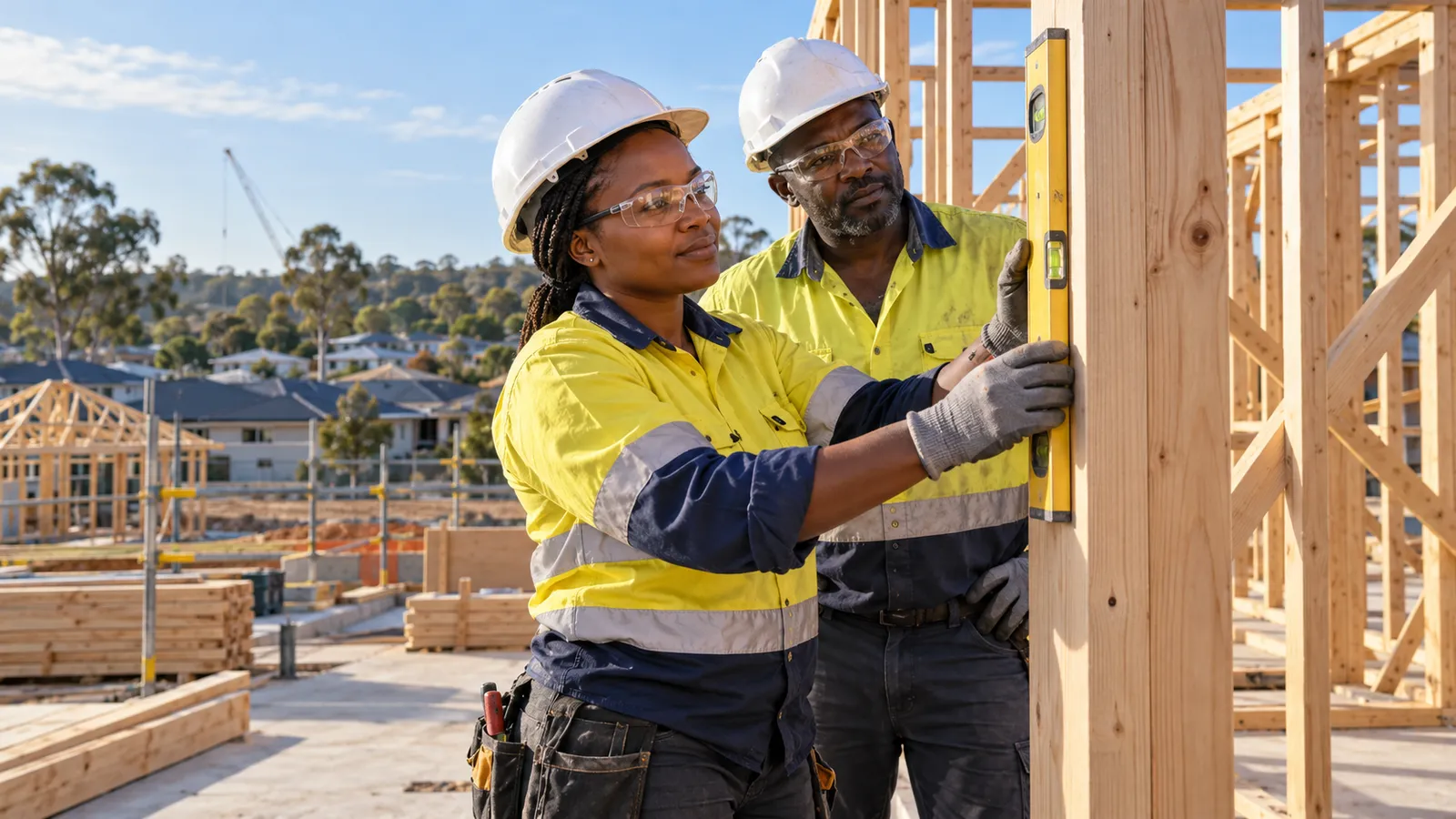 Australia's construction gap could reach 935,600 by 2035: a practical guide for Ugandan tradespeople
 Does your office skill still travel? Australia's AI redundancies and what Ugandan applicants should do