93% on technology, 7% on people: what New Zealand's AI gap could mean for workers in Uganda
Tips · 2026-09-16 · 4 min read
A mismatch worth noticing
Imagine a firm in Auckland that buys the newest AI tools and then asks staff to carry on exactly as before. Nothing improves. That picture is close to what a 2026 technology trends report describes for New Zealand: 93% of AI spending in organisations goes into technology, and just 7% goes into people and skills. For a country with an ageing workforce and long-running regional labour shortages, it is a warning that capability is being bought faster than it is being built.
Redesign, not adoption
The report argues that the time for experimenting is over. The firms that will pull ahead are those that redesign how work is done, not those that attach a chatbot to a process that never changed. It calls the second approach "shallow adoption" and says it is everywhere: around one in eight organisations worldwide has taken agentic AI into real production, and the rest remain stuck in pilots.
For anyone in Kampala or Entebbe who works in IT, engineering or operations, that is quietly encouraging. It means value comes from people who understand workflows, not only from the software licence.
The hybrid workforce
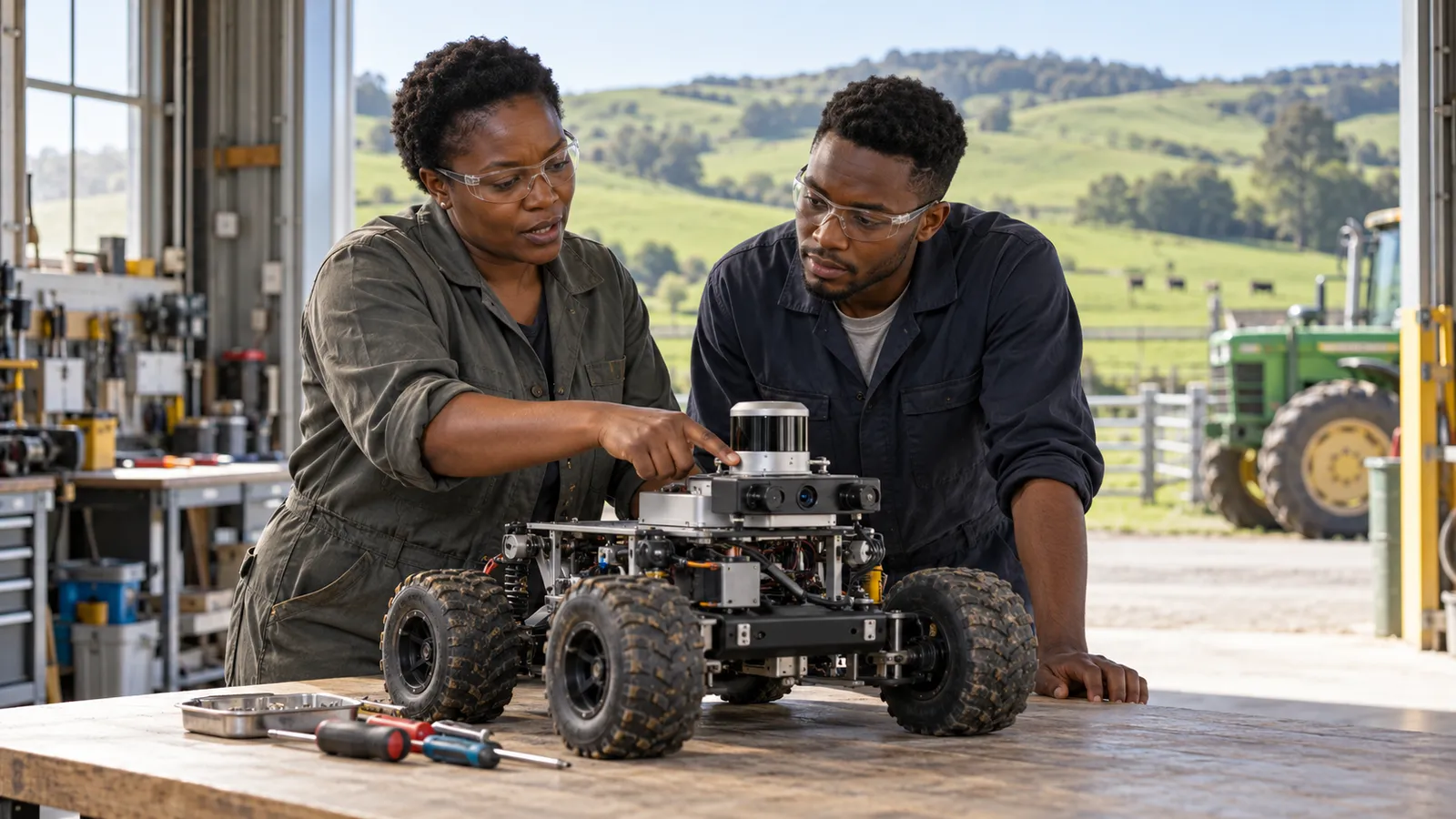
Looking ahead, the report speaks of a hybrid human and silicon workforce. Systems and robotics take on routine, repetitive or hazardous tasks. People step into roles that call for judgment, creativity and technical depth. New Zealand's geography and scattered population make this especially relevant in agriculture, utilities, infrastructure inspection and transport.
The demand for people, it says, will not fall. It will change shape. Businesses will need:
- Technical operators who can manage and maintain autonomous systems, not just office staff who use AI.
- Specialists in regional and infrastructure-heavy sectors where physical AI, such as drones, autonomous inspection and remote robotics, is growing fastest.
- Upskilled local talent, with targeted international recruitment where local skills gaps cannot close fast enough.
Security risk adds pressure
AI also speeds up cyberattacks, helping attackers run phishing campaigns and probe for weak points faster than human teams can respond. With aviation, healthcare and transport increasingly digital, under-skilled operators become a real exposure. That is another reason employers will want trained people.
Thinking it through from Uganda
None of this is a job offer. It is a signal about the direction of one labour market. If you are weighing a move, consider your starting point honestly. A UNEB result, a diploma or a Directorate of Industrial Training (DIT) certificate shows your training, but it does not automatically equal a New Zealand licence, skills assessment or registration. Some roles need occupational registration, and you should check the specific requirement for the job you want.
A practical approach:
- Name two or three systems you can operate or maintain, and be ready to describe them.
- Look at listings where employers state sponsorship to see how roles are described.
- Read about New Zealand's large project pipeline and the plumbing shortage to see where practical skills are scarce.
- Prepare a CV that leads with results; Build AI CV can help you draft one.
- Take immigration advice only from a licensed immigration adviser or someone lawfully exempt, and from a migration agent registered with MARA for Australia.
Common mistakes Ugandan applicants make
One is describing yourself as an "AI expert" without saying what you built, ran or fixed. Another is assuming that a policy conversation equals vacancies. A third is overlooking security basics; employers watching AI-driven cyber risk will notice if your profile ignores them. Finally, do not pay anyone who promises a job. Check every offer yourself.
Frequently asked questions
Does the 93/7 split mean there are many jobs?
No. It says organisations underinvest in people and skills. Jobs depend on employers and visas.
What does "agentic AI" mean?
AI systems that act on tasks with some autonomy. The report says only around one in eight organisations has put them into production.
Which sectors does the report highlight?
Agriculture, utilities, infrastructure inspection and transport.
Is international recruitment expected?
It is described as targeted, where local skills gaps cannot be closed fast enough.
How can I show my skills?
Consider a verified profile on Talent Tabloid, which lets employers check your experience.
Key takeaways
- 93% of AI spend goes to technology, 7% to people and skills.
- Shallow adoption is widespread; redesign of work is the advantage.
- Roles will change shape, favouring operators and regional specialists.
- Local certificates need separate recognition in New Zealand.
#new zealand #ai workforce #uganda #skills gap #hybrid workforce #careers
 Degree or trade? What a Kampala electrician and his graduate cousin should know about Australia's skilled demand
 Is your office job safe from AI? What Ugandan professionals should weigh before an Australian visa plan
 Ugandan students and the New Zealand visa queue: what a 20% jump in applications means for your timeline