Degree or trade? What a Kampala electrician and his graduate cousin should know about Australia's skilled demand
Tips · 2026-09-07 · 4 min read
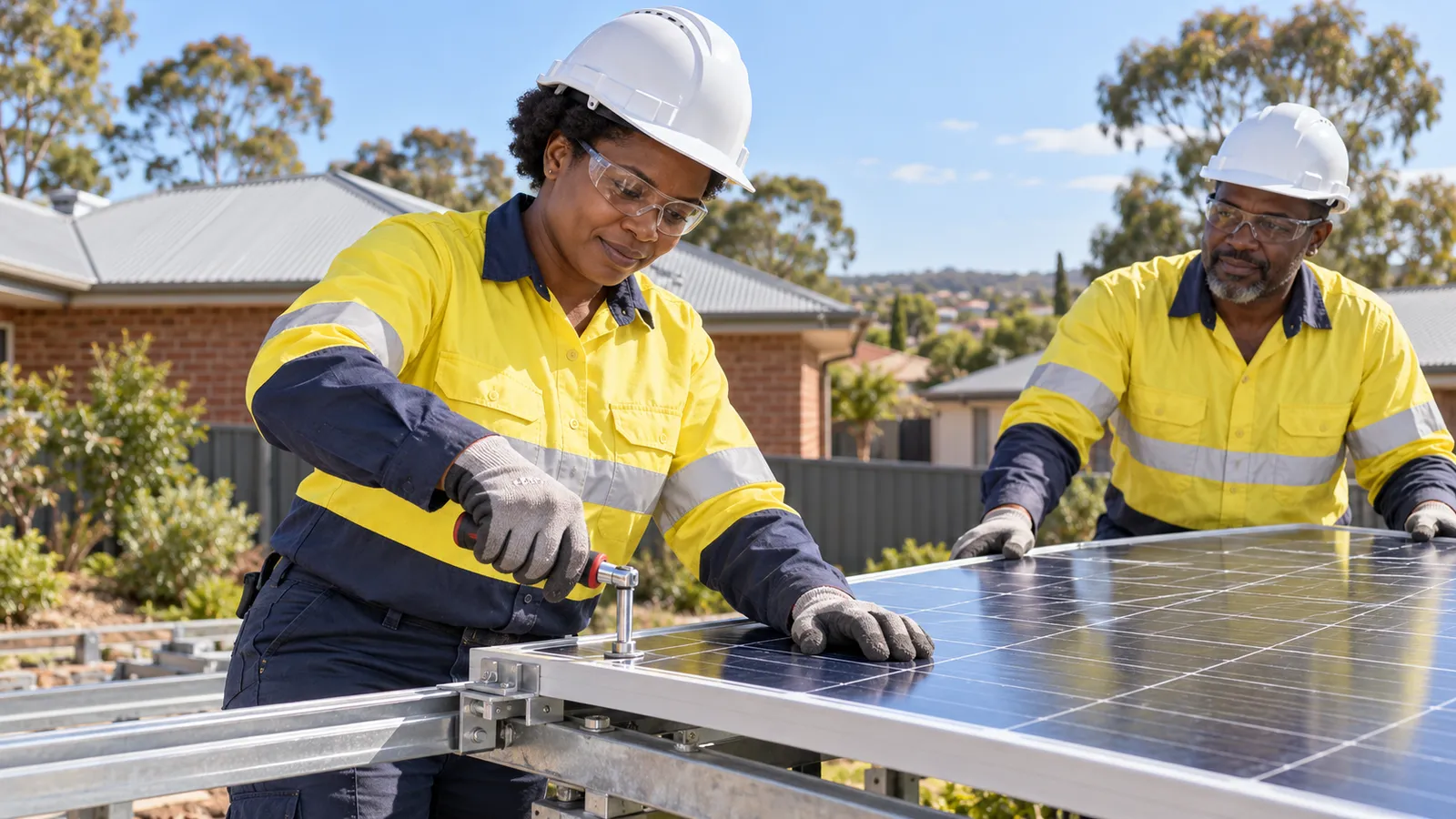
Two cousins in Uganda are arguing over dinner. One holds a degree and works in an office in Kampala. The other is an electrician with a DIT certificate and years of site work. Which of them has the better chance at a future in Australia? The honest answer has changed in recent years, and the evidence behind the change is worth walking through.
The shortage the electrician has heard about
Australia's housing targets, energy transition and infrastructure pipeline all depend on one limited pool of workers: electricians, plumbers, carpenters and bricklayers among them. Government-commissioned labour market research flagged shortages across every major construction trade at some point in the past five years, and construction remains one of the hardest-hit sectors, with close to half of its trade occupations still short-staffed nationally.
Local apprenticeship numbers are climbing again, with carpentry, plumbing and electrical enrolments up over the past year. Yet training a fully qualified tradesperson takes years, and Australia cannot fill the gap quickly from its own population. That is the sort of structural shortage that keeps trades on priority migration lists.
The pay the graduate cousin did not expect
Earnings have shifted. A licensed electrician running a specialist or commercial business can realistically clear six figures, well above many graduate-level office jobs in the same city. Solar installation has become a lucrative niche, with established operators reporting tens of thousands of dollars in monthly business revenue before costs. That does not make every white-collar job second best. Senior roles in medicine, law and corporate leadership remain at the top. But the floor for tradespeople has risen sharply, and the belief that a degree automatically outearns a trade certificate no longer holds up as it once did.
Why the electrician sleeps better about AI
Much of the anxiety about AI concerns desk-based work, such as repetitive analysis, admin or content production. Physical trades sit largely outside that zone. Software can draft a report. It cannot climb into a roof cavity, diagnose a fault in old wiring or physically install a solar system. As one tradesperson-turned-business-owner in Adelaide put it, AI may bring new tools, but someone still has to fit, wire and maintain them.
What the electrician still has to do
Skilled migration settings increasingly favour construction and trade-linked occupations, and industry bodies argue that the system underuses skilled migrants already onshore and is too slow at recognising overseas qualifications. That last point is the one to plan around. A DIT certificate shows training but is never automatically an Australian licence, skills assessment or registration. Recognition is often the real bottleneck, and sorting a trade licence and skills assessment early can be the difference between a quick placement and months of delay. RPLDirect explains how skills assessment works for Australia.
The graduate cousin is not left behind. University pathways still lead into medicine, law and senior corporate careers, and are projected to account for the majority of future job growth. The point is that trades have moved from fallback option to genuine wealth-building pathway and, increasingly, a migration pathway too. Related reading: why the builder shortage is a migration opportunity and why the construction gap could open doors for overseas tradies. See current openings on the jobs page.
Common mistakes when comparing degree and trade
- Assuming an office job is always the safer migration choice.
- Believing a Ugandan trade certificate is accepted as it stands.
- Counting on regional or skilled visas without checking the specific visa page.
- Getting advice from anyone other than a migration agent registered with MARA.
Frequently asked questions
Is every trade in shortage?
Research flagged every major construction trade at some point in five years.
Can I earn as much as a graduate?
Some tradespeople can, including licensed electricians in specialist or commercial work, though results vary.
Will AI affect trades?
Physical trades are largely outside the main AI risk zone.
Should I run my own business?
It is a genuine pathway for many migrant tradespeople, though it brings its own rules and risks.
What should I do first?
Start the qualification recognition process and speak to a migration agent registered with MARA.
Key takeaways
- Trade shortages in Australia are structural and widespread.
- Pay for trades has risen and automation risk is low.
- Recognition of overseas qualifications is the main hurdle.
- Degrees still lead for medicine, law and senior corporate roles.
#trades #degrees #australia #skilled migration #uganda #electricians
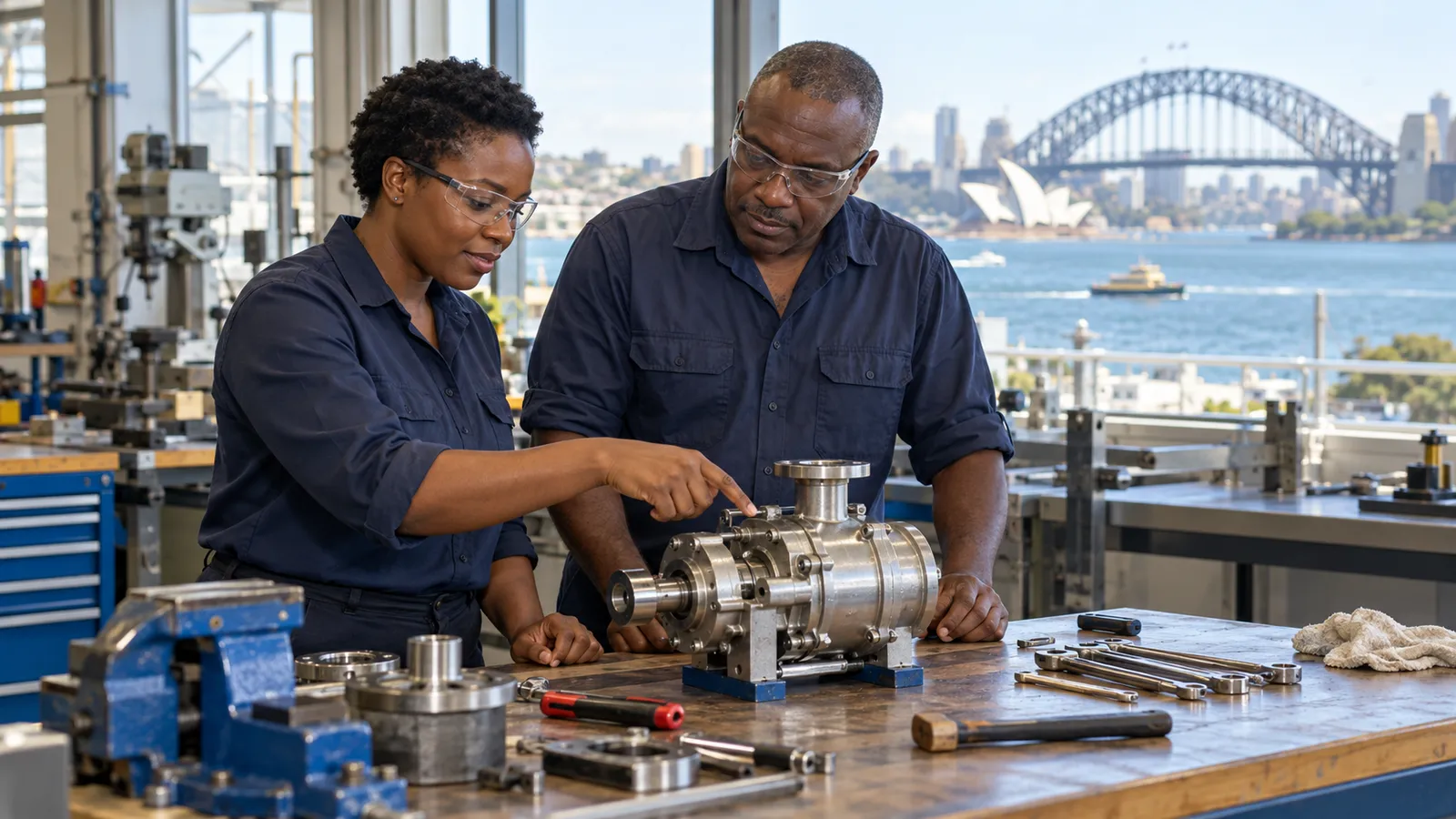 Is your office job safe from AI? What Ugandan professionals should weigh before an Australian visa plan
 Carpentry, bricklaying or tiling: a practical route into Australia for Ugandan students who prefer hands-on work
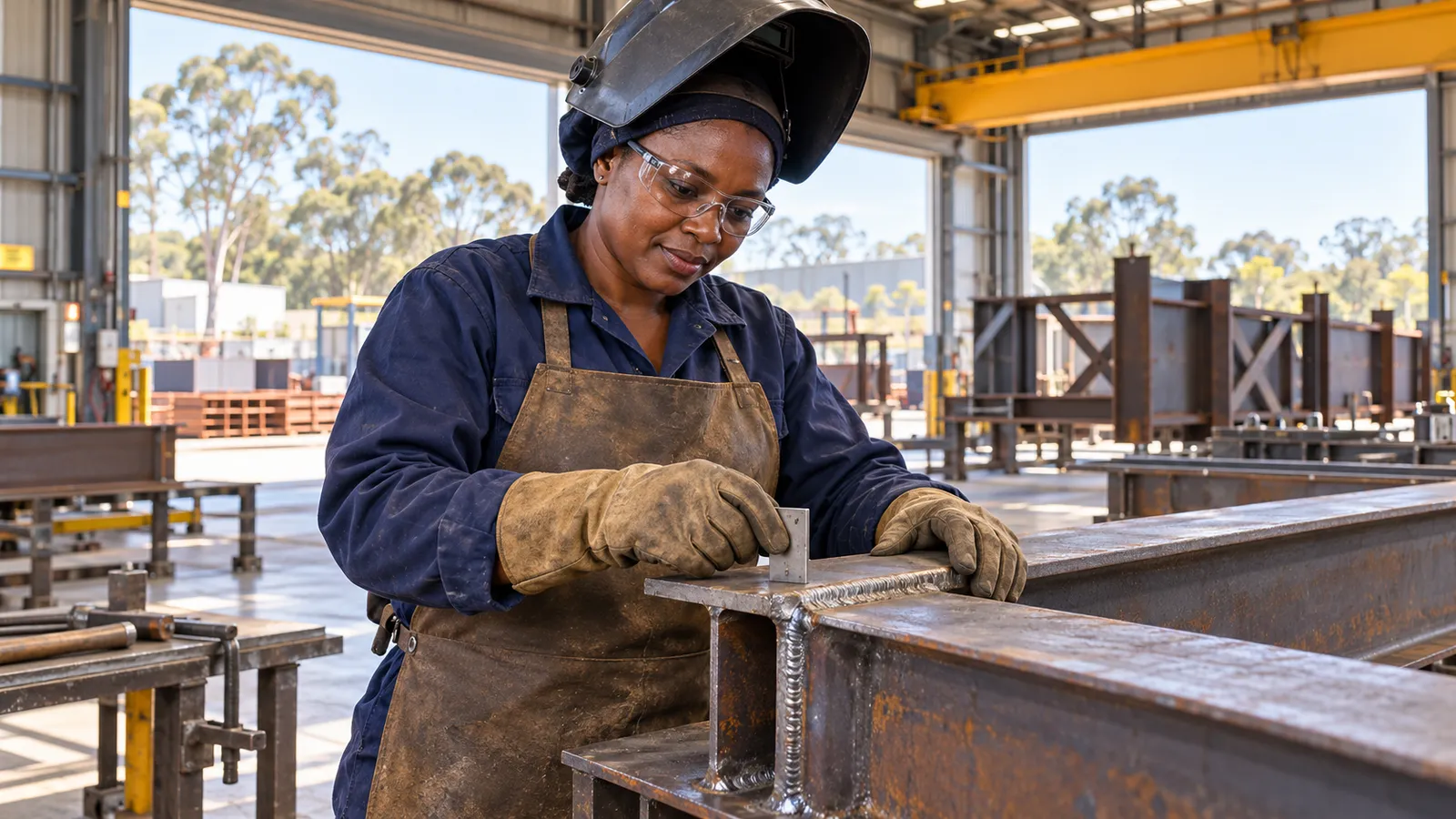 Seven findings from Australia's welding survey, and what they mean for you as a tradesperson in Uganda