Firms folding, homes unbuilt: what Australia's 244,000 dwellings under construction say to Ugandan tradespeople
News · 2026-09-02 · 4 min read
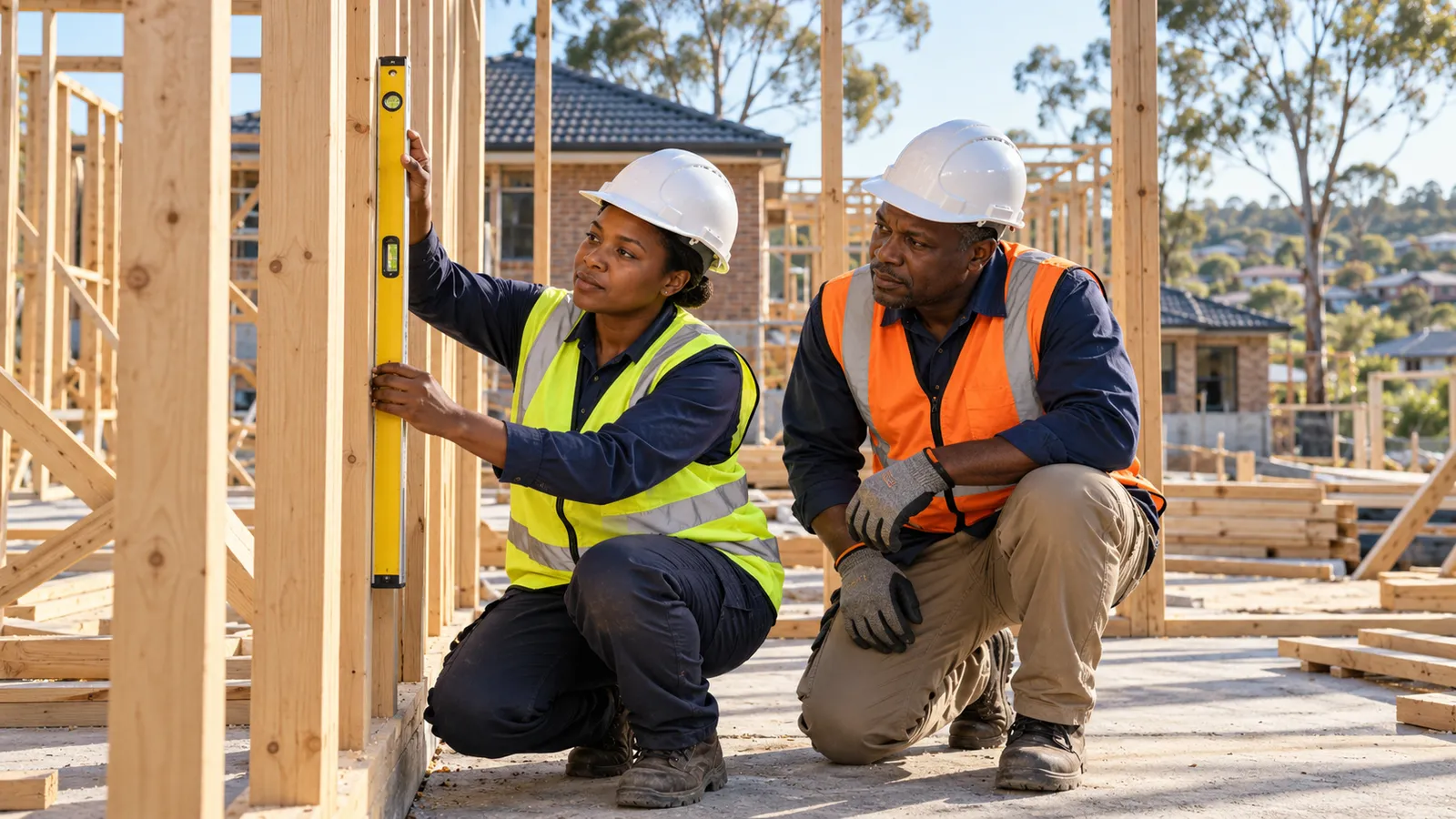
Here is the puzzle at the heart of Australian housing: building activity is at a record, yet the businesses doing the building keep closing. For electricians, carpenters, site supervisors and engineers in Kampala, Entebbe and elsewhere in Uganda, understanding the puzzle is the first step to judging whether it concerns you.
Record work, fragile firms
Dwellings under construction reached 244,000 in the March 2026 quarter, the highest figure since data collection began in 1984. That shows demand and approvals are not the issue. Meanwhile, more than 67,000 construction businesses shut last year, the fourth year in a row above 64,000, and nearly half of new construction businesses will not survive beyond their third year. In New South Wales alone, over 3,000 firms have closed in just two years.
What this does to the housing plan
The National Housing Accord set a target of 1.2 million new homes by 2029. Official projections now push the realistic date to December 2030 nationally and to March 2032 in NSW. If closures continue, many businesses that opened over the past year could disappear before the target date, taking capacity, contracts and warranties with them. Confidence has also dropped between 2025 and 2026, with rising costs, labour shortages and financing pressure leading the worries, and about half of decision-makers expect policy settings to hurt the sector over the next five years.
The labour gap, and where it leads
An industry losing so many firms is short of people and stable businesses. Skilled tradespeople, project managers and construction business owners from overseas could add capacity to the pipeline. Streamlining pathways for carpenters, electricians, site supervisors and civil engineers is described as one of the more direct levers for governments, and such visa pathways are likely to stay a priority. That is analysis of direction, not a pledge to any applicant.
Why capacity, not demand, is the issue
It is tempting to read a record as a sign that everything is going well. In fact the record shows how much work is waiting, while the closures show how few stable teams are left to do it. Multi-year apartment projects often outlast the firms contracted to build them, which means buyers, developers and subcontractors are all placing long-term bets on companies with roughly even odds of surviving to completion. That uncertainty is what makes experienced, reliable people so valuable to the sector.
What it could mean for skilled workers abroad
For prospective migrants, the takeaway is that Australian construction has more open work than hands to do it. Visa pathways tied to in-demand trades and construction management are likely to stay a priority as the shortfall deepens, particularly in NSW. Still, a priority for governments is not an offer for you, and each person has to meet the rules of the visa and the standards of the occupation.
Practical steps from Uganda
- Be precise about your occupation and years of experience.
- Check whether Australia requires a skills assessment, licence or registration for it. A Directorate of Industrial Training (DIT) certificate or a UNEB result never automatically equals one.
- Collect references and examples of work, and request an Interpol police clearance only if an application asks for it.
- Take advice from an agent registered with the Migration Agents Registration Authority (MARA).
Common mistakes tradespeople make
Many applicants read a headline about shortages and assume an employer is waiting. Others do not realise that an unstable employer can be a risk of its own, so ask about how long a business has operated and how secure the project pipeline is. And some leave qualifications undocumented. RPLDirect can help you understand how recognition of prior learning applies, while an optional verified Talent Tabloid profile can help show your work history, though it is never required.
Frequently asked questions
Is building activity down in Australia?
No. Dwellings under construction hit 244,000 in the March 2026 quarter, a record.
Then why is there a shortage?
Capacity is the bottleneck: enough hands, enough firms and enough continuity.
Which state is hardest hit?
Over 3,000 construction firms have closed in NSW in two years.
Will migration fill the gap?
It could help, but pathways and rules decide who qualifies.
Where can I learn more?
Try our talent deployment article and the skills crisis piece, or the Australia section.
Key takeaways
- Building activity is at a record while firm closures continue.
- More than 67,000 businesses closed last year.
- The 1.2 million homes target is now projected for December 2030 nationally.
- Skilled migration may help but is not a promise.
- Check assessment, licensing and use an agent registered with MARA.
#builder shortage #construction #australia #trades #uganda
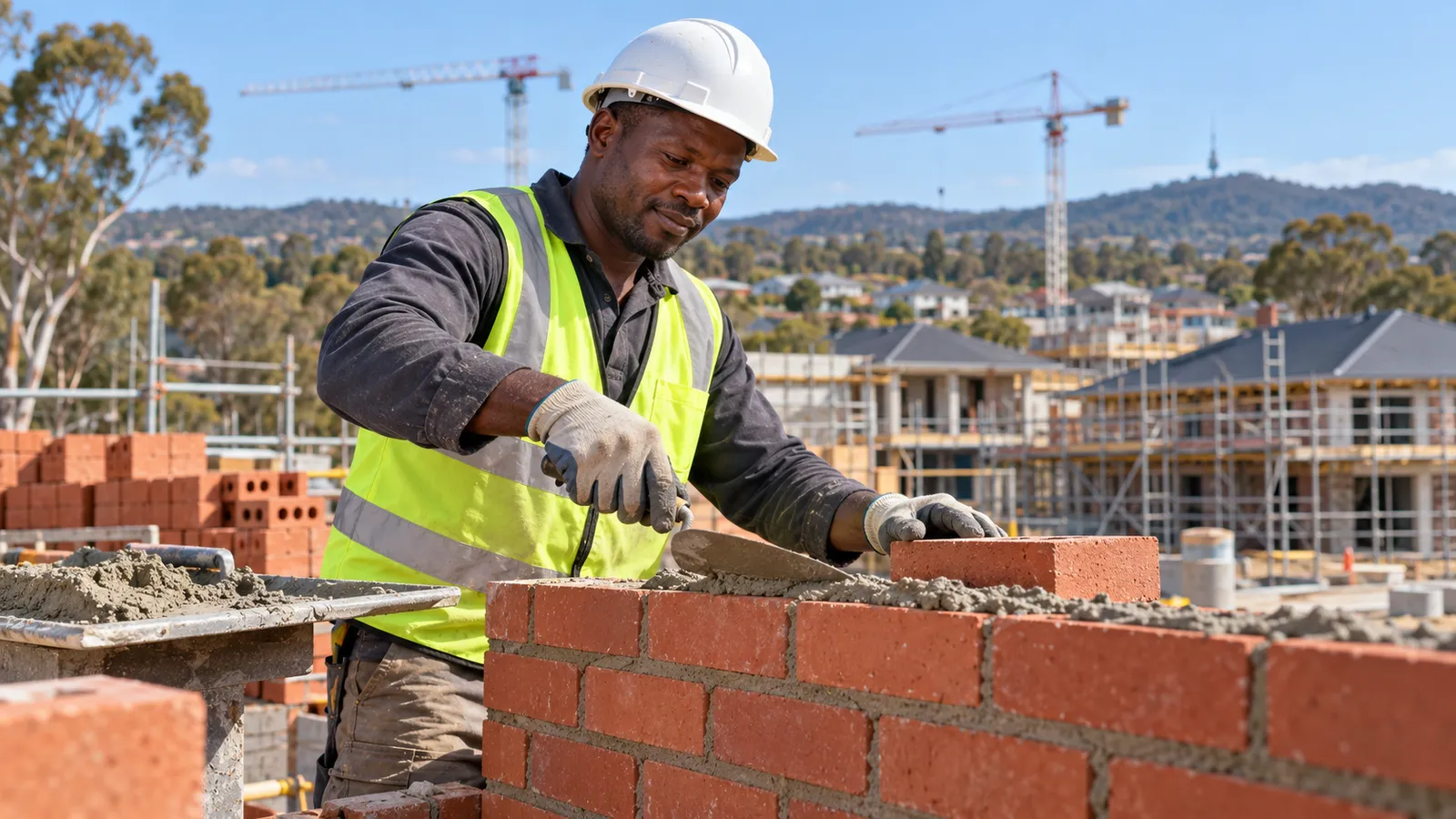 A trade with no licence and almost no apprentices: what Canberra's bricklayer gap offers builders in Uganda
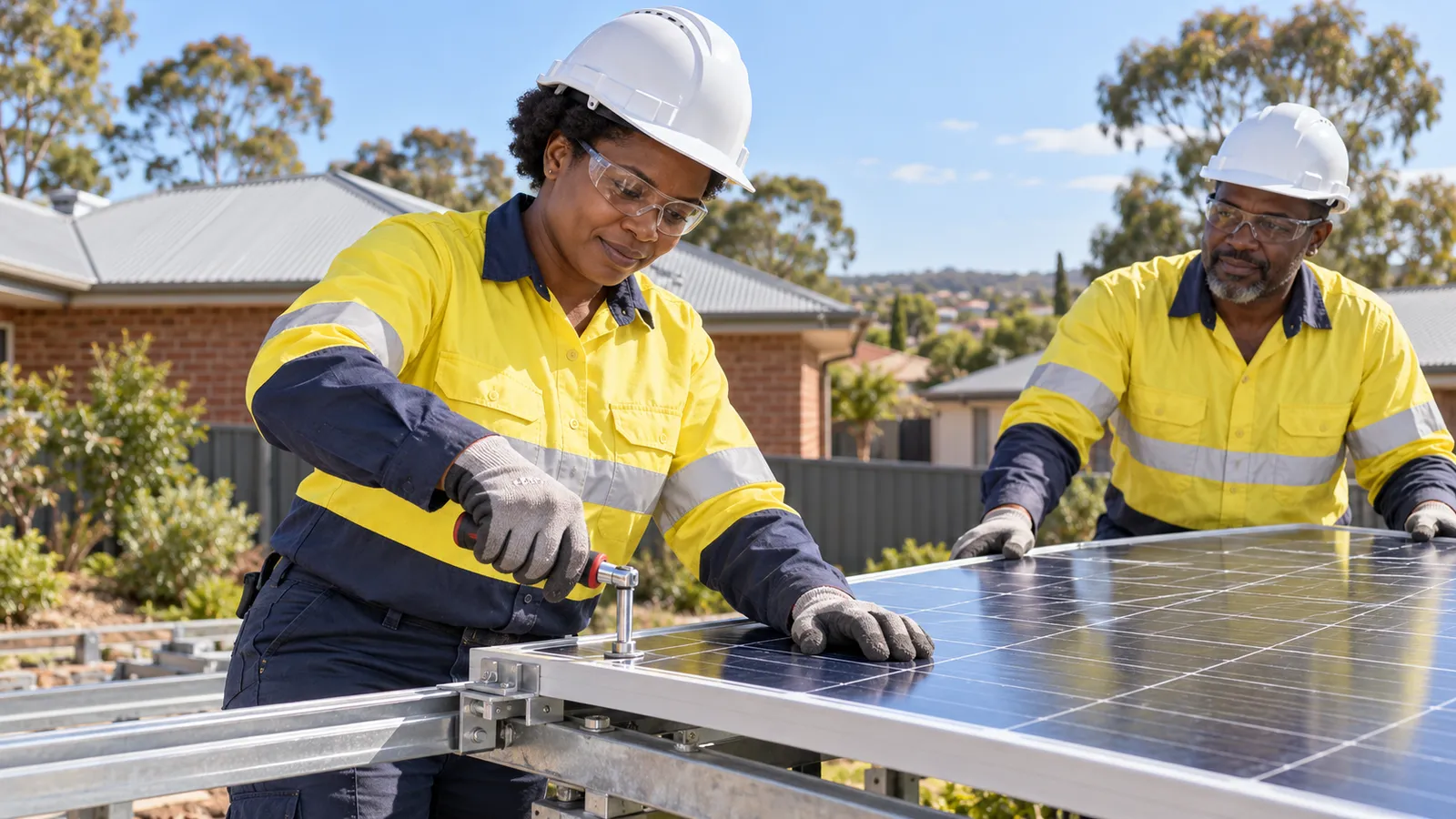 Degree or trade? What a Kampala electrician and his graduate cousin should know about Australia's skilled demand
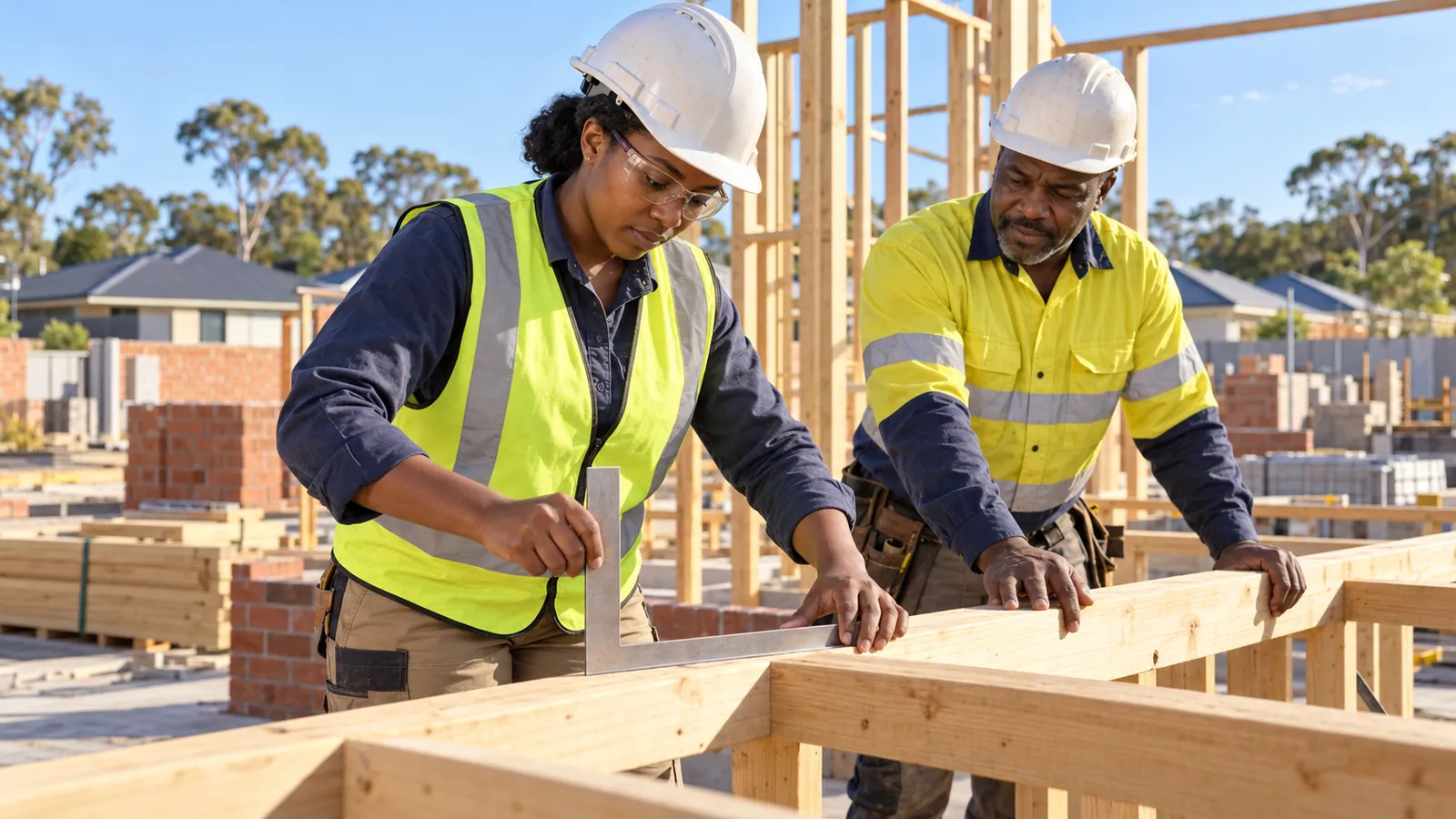 Carpentry, bricklaying or tiling: a practical route into Australia for Ugandan students who prefer hands-on work