What a shortfall of 83,000 tradespeople really looks like, and how Ugandan carpenters and electricians can respond
News · 2026-09-30 · 4 min read

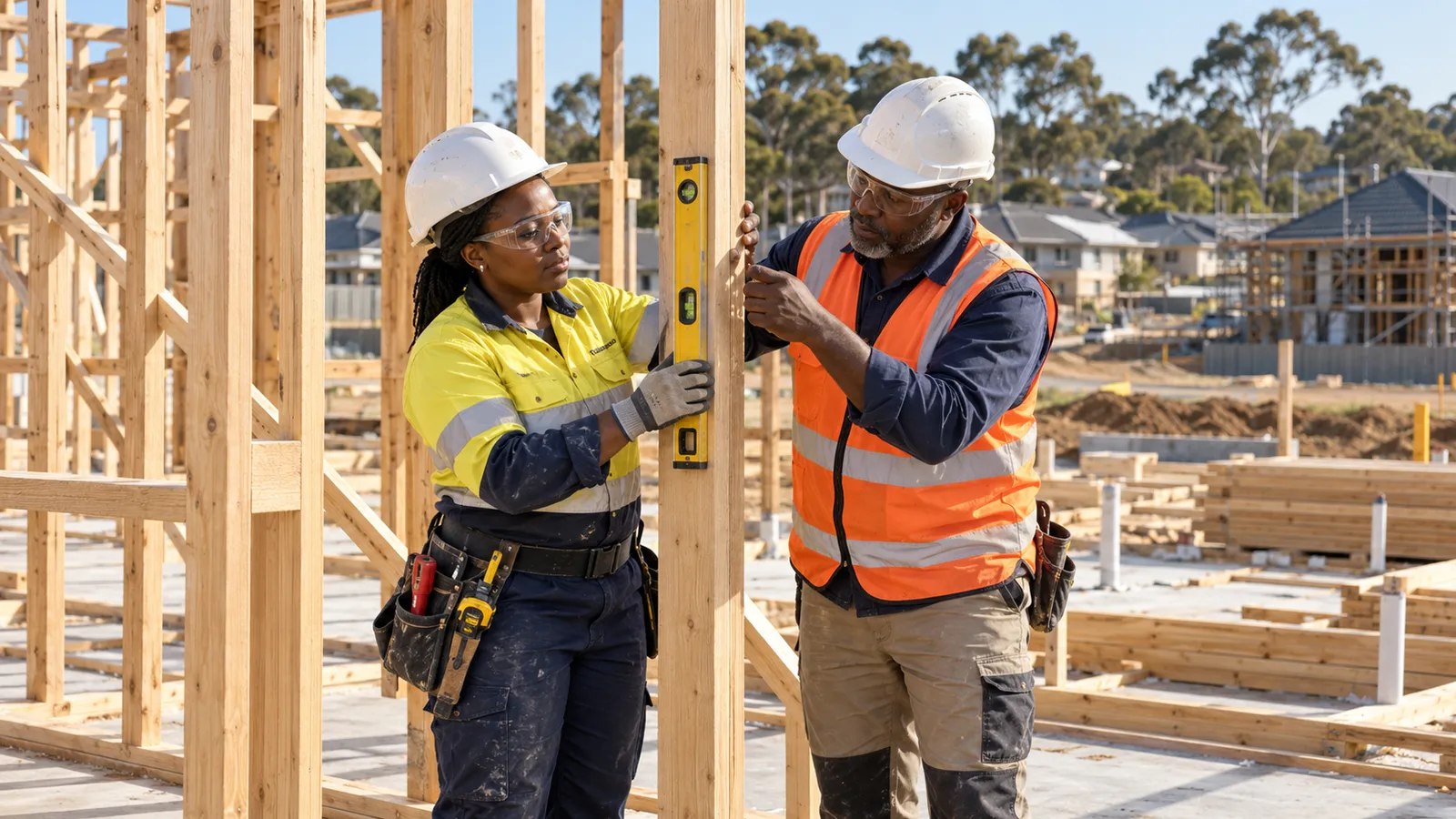
Numbers like 83,000 are easy to quote and hard to picture. Picture the housing industry as a long line of jobs: laying foundations, framing, wiring, plumbing, finishing. An industry report says the line is about 83,000 skilled workers short in Australian residential construction. If you are a carpenter, electrician or plumber in Kampala, Entebbe or Gulu, here is what that really signals.
How the report frames it
The report was released at Parliament House before National Tradies Day. Its message is that land, finance and planning approvals mean little without qualified people to build. Every housing target, it argues, depends on skilled workers being available. The industry says the shortage is already slowing the delivery of new homes and pushing up building costs, which makes housing affordability harder to improve.
The same workers are wanted everywhere
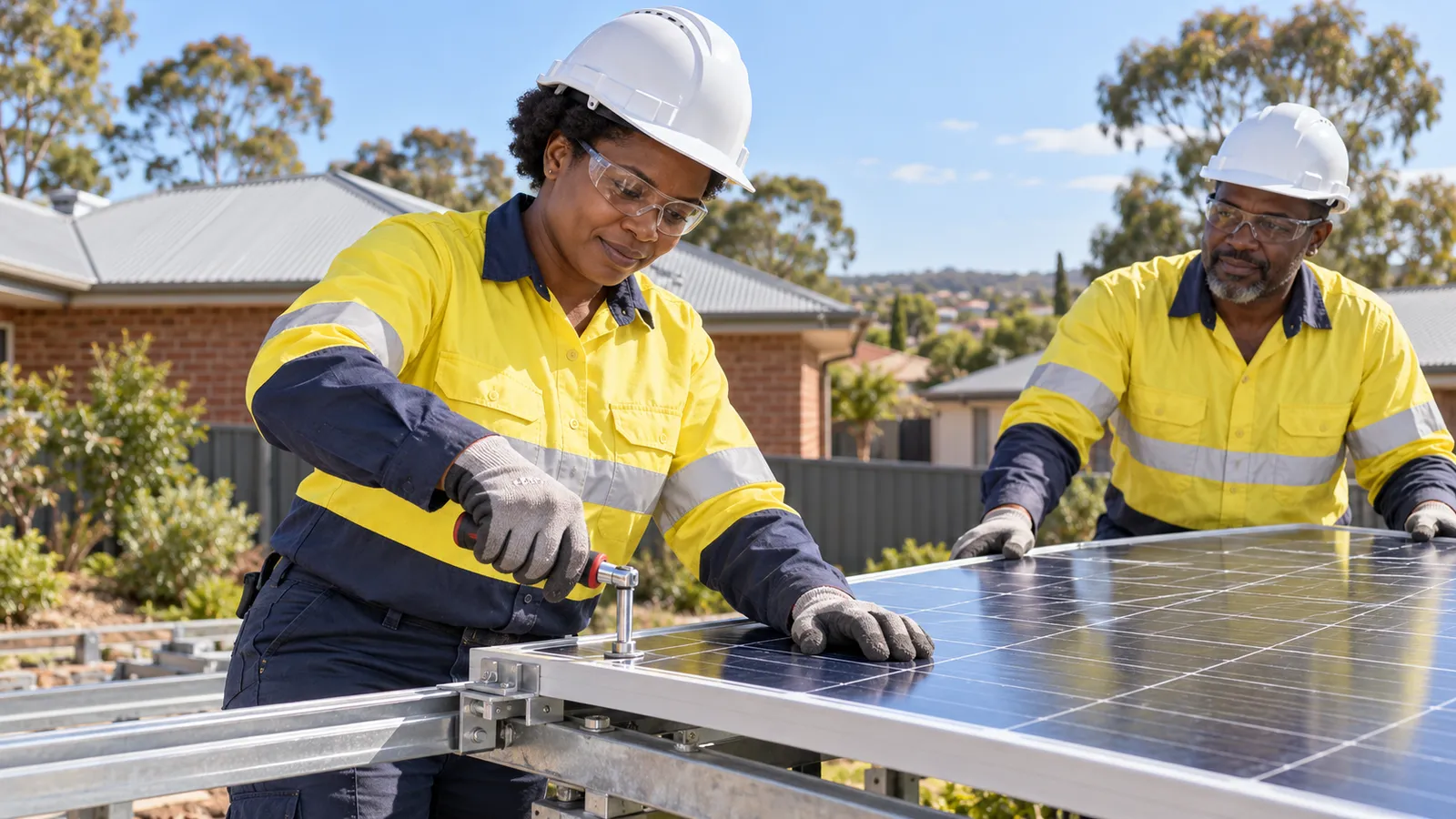
Home building competes with infrastructure, renewable energy, technology and digital economy projects, all drawing from the same skilled workforce. Shifting workers from one sector to another merely moves the gap around. Australia, the report says, needs more skilled people overall. For overseas tradespeople, this points to a broad demand: carpenters, electricians, plumbers and other trade workers may find opportunities across more than one sector.
From shortfall to action: five priorities
The industry wants governments and employers to act on five things: raising the standing of trade careers, improving apprenticeship attraction and completion, supporting builders who train apprentices, strengthening pathways from school into trades, and investing in workforce capacity. Most are about the local pipeline, especially getting young Australians into trades and helping them finish. But training takes years and the gap is large, which is why skilled migration remains part of the workforce conversation.
A ladder for Ugandan tradespeople
- Know your documents. Gather your Directorate of Industrial Training (DIT) certificate, UNEB results where relevant, employer letters and photographs of completed work.
- Understand assessment. Australia's trade careers are built around nationally recognised qualifications, so having your skills assessed is a key early step. A Ugandan certificate does not automatically equal an Australian qualification or a licence, and some trades need one.
- Build your CV. Build AI CV can help you present your tickets and experience in clear English.
- Check the settings. Occupation lists, visa settings and eligibility rules change, so confirm them on official pages.
- Speak to a professional. For Australia, use a migration agent on the MARA register.
The qualification step is where many people stumble. RPLDirect has background on how prior learning is recognised. Browse current openings, and read how the builder shortage plays out and what the bricklayer story means for skilled migrants.
Telling your story on one page
Whatever your trade, write a one-page summary before you approach anyone. Give your trade, your training, the number of years you have worked in a way you can document, the kinds of buildings or systems you handled, and the standards you followed. Keep the language plain. A reader in another country should be able to picture your work without a dictionary. Attach copies of certificates and letters, and keep the originals safe. Doing this early also shows you which gaps need filling, whether that is a missing letter, an expired certificate or a skill you have used but never formally recorded.
What the pressure means for employers
Employers who struggle to find staff may be more open to sponsoring skilled workers, though that depends on the individual employer and on visa rules. For you, it means that a clear, well-evidenced application is worth more than a long one. Say what you built, what your role was and which standards you worked to.
Common mistakes to avoid
- Reading a shortage number as a promise of work.
- Leaving skills assessment until late.
- Relying on an unregistered agent who offers a quick route.
- Planning on last year's rules.
Frequently asked questions
Is the shortage only in homebuilding?
No. Infrastructure, renewable energy, technology and digital economy projects draw on the same workforce.
Will apprenticeships fix it?
They are part of the answer, but training takes years and the gap is large.
What is National Tradies Day?
The occasion ahead of which the report was released, a day for recognising tradespeople.
Should I wait for a clearer picture?
Preparing your documents costs little and keeps your options open.
Key takeaways
- The shortfall is about 83,000 skilled workers in residential construction.
- Other sectors compete for the same people.
- Assessment and qualifications matter early.
- Use current rules and a MARA-listed adviser.
#tradie shortfall #carpenters #electricians #australia #housing
 Rising unemployment, yet builders short: what Ugandan carpenters, electricians and plumbers should watch
 An electrician in Kampala asks: is Australia's energy trades gap a real opening?
 Degree or trade? What a Kampala electrician and his graduate cousin should know about Australia's skilled demand